


Photo Alchemy
 Photo AlchemyThe workbench
 Collage and montageCut and rebuilt
 African Art FusionWith Simon Shone


 Botanical Studies
 Majestic Panoramas
More collections


Twenty eight collections, and more being added
Photo AlchemyThe workbenchCollage and montageCut and rebuiltAfrican Art FusionWith Simon Shone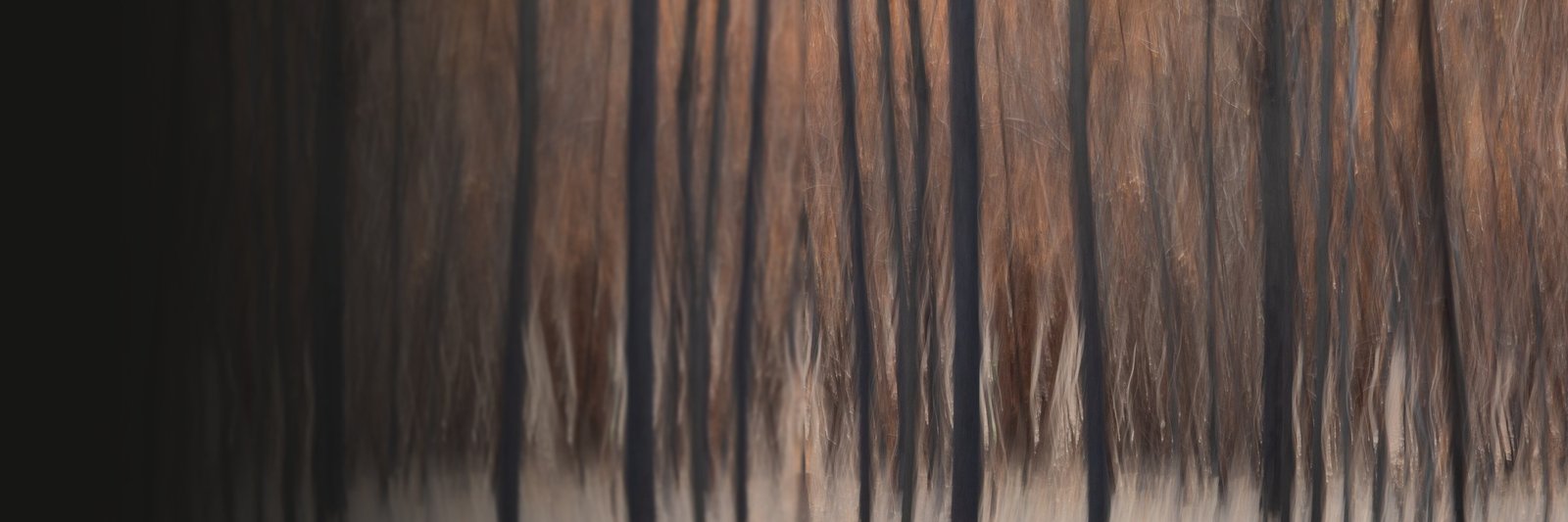
Botanical fine art photography by Martin Osner: fynbos, lilies, wild grass and trees against the light, made close on the Cape Peninsula, in Kirstenbosch and near Pearly Beach.
"When you look at the flora in and around the Cape, which is the most diverse in the world, it doesn't look like much. It is only when you go in close that you realise the diversity and the beauty this subject offers."
"Not only that. What I find absolutely amazing is that fynbos needs fire in order to germinate again. We get these devastating fires, but in fact it is an act of nature, and that is why I created Fire and Ash."
"What I also love about fynbos is that you can make normal photographic studies, but you can also do some beautiful close up work, which moves it into the abstract."
"The flowers almost feel prehistoric to me, as if they have been here forever, and they have an aura about them that tells me they will continue forever. God always puts the beginning in the end and the end in the beginning, and that is what I see in this unique flora: it will defy anything that is thrown at it, devastating, harsh fires and droughts included. I think the diversity is the main attraction."
The Cape Floral Kingdom is the smallest of the world's six floral kingdoms and, for its size, the richest: around 9,000 plant species, about two thirds of them found nowhere else on Earth.
Made on the Cape Peninsula and in the Kirstenbosch National Botanical Garden. Some are straight studies of colour and pattern; others are made so close, with so little depth of field, that the plant becomes colour and light.
"Fire and Ash was photographed near a place called Pearly Beach, on the coast of the Western Cape. Just before Pearly Beach there were huge fires that ravaged the area."
"Instead of going and looking for fynbos in a beautiful state, we found the beauty in the devastation. The fire had reduced it to its simplest form, almost like a skeleton against very simple backdrops, and that is why camera movement was introduced, to bring a little more complexity to the pieces."
For Fire and Ash No.2, the banner at the top of this page, the camera was moved upward with a light shake during the exposure. It took 30 to 40 attempts.
After the Fire is the same story made close: what remained of the fynbos after a natural bush fire, photographed with very shallow depth of field in soft pastel tones. In No.2 the cool blue shade sits against the warmer highlights.
Fynbos is made to burn. It burns naturally every 12 to 20 years or so, and many of its seeds wait in the soil for the heat and smoke that tell them to germinate.
Six square studies of trees photographed into the light, their forms softened into rhythm, pattern and shadow.
Two of Martin Osner's first limited edition collections, both made in 2005: Fragile Intent, a monotone still life triptych in an edition of 50, and Panache, five arum lilies in soft light in an edition of 25.
Wild grass in early morning light and in the wind, reeds under the water of a clear stream, and two studies of colour against a pale sky, one of them a bottlebrush tree in flower.
Every work on this page is a signed print from Osner Art Gallery, shipped worldwide. Most are open editions; Panache and Fragile Intent are numbered limited editions with a certificate. Tap any work to see it larger, then follow it to the gallery for sizes and prices.
See the botanical prints in the gallery See it on your own wall
Close up work that moves into the abstract has its own page: Abstract photography, explained by an artist.


