


Photo Alchemy
 Photo AlchemyThe workbench
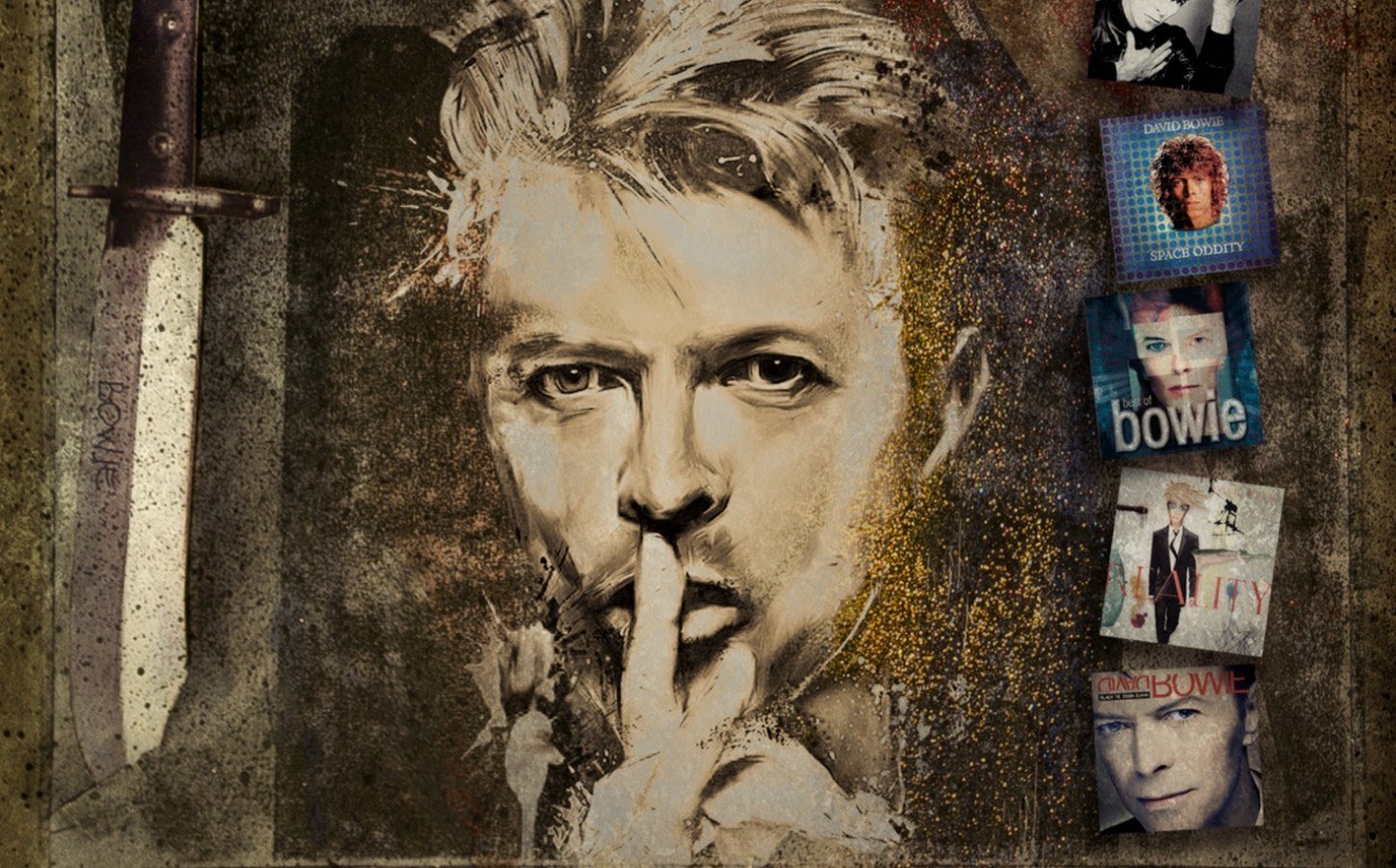 Collage and montageCut and rebuilt
 African Art FusionWith Simon Shone


 Botanical Studies
 Majestic Panoramas
More collections


Twenty eight collections, and more being added
Photo AlchemyThe workbenchCollage and montageCut and rebuiltAfrican Art FusionWith Simon ShoneMartin has taught since the early 1990s, when he co-founded the National College of Photography. There are three ways in: online at your own pace, live and in person, and the gallery, where you can see what it leads to.
Seven courses at the Art Photography Academy, from the first steps to the Masterclass.
See the courses
Zoom classes, workshops in person, and one to one time with Martin and Samantha Lee Osner.
See the live classes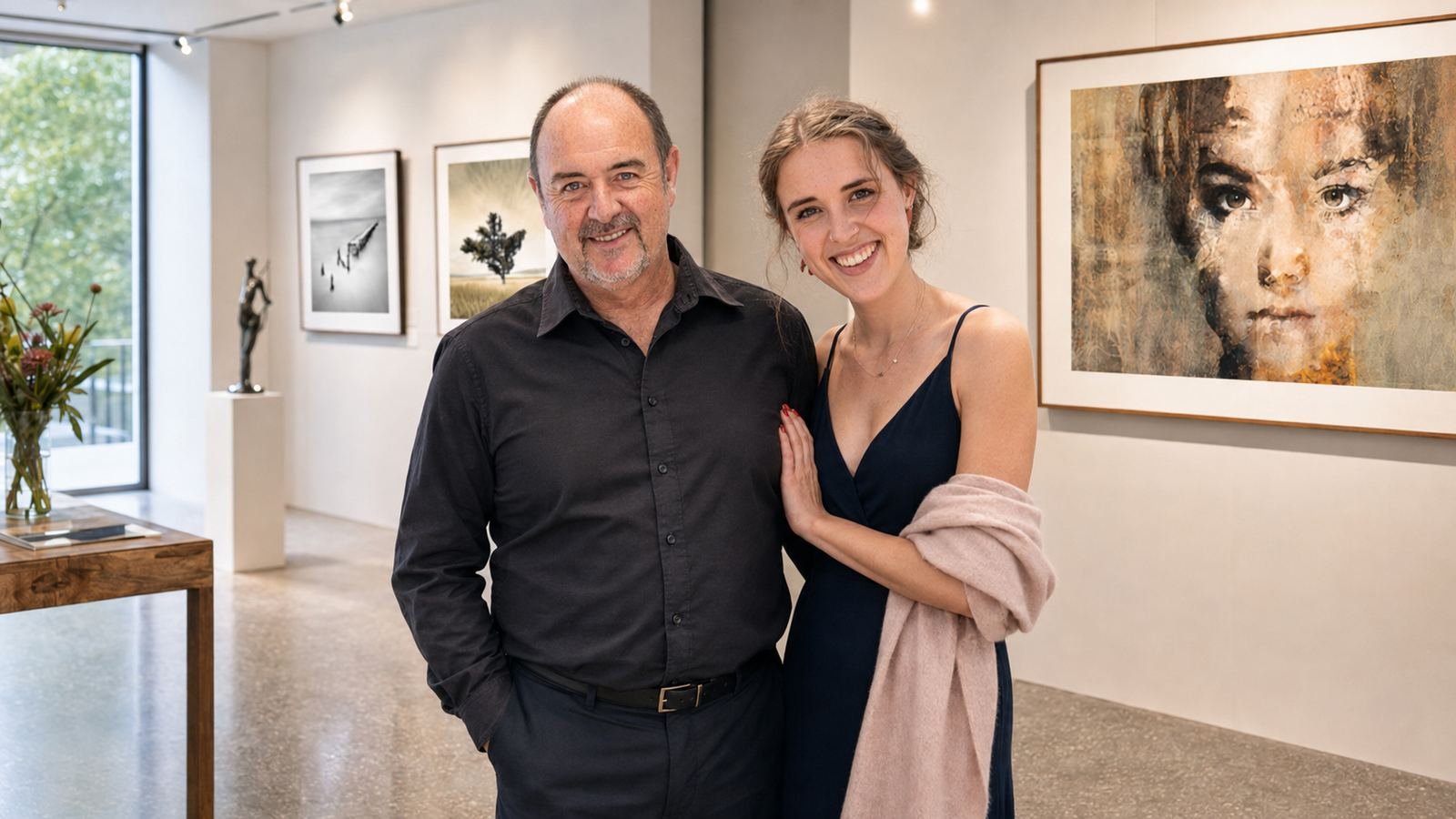
Work by artists Martin has taught, hanging and selling in the gallery.
Meet the artists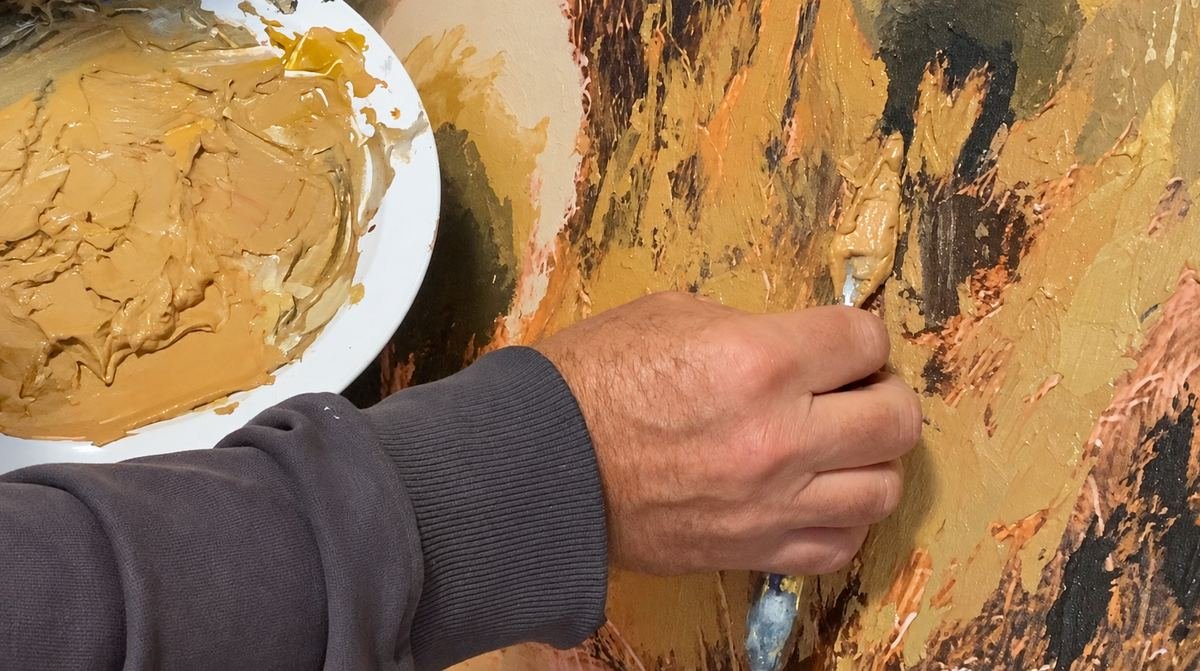
Most people come to me wanting their photography to start making an impact, and they expect that to happen through the lens. Sometimes it does. But many of them discover that once you get physically involved with your art, you start to express yourself with your heart instead of your head.
That is the moment the curtain moves back, and photography stops being the whole process and becomes part of a creative one.
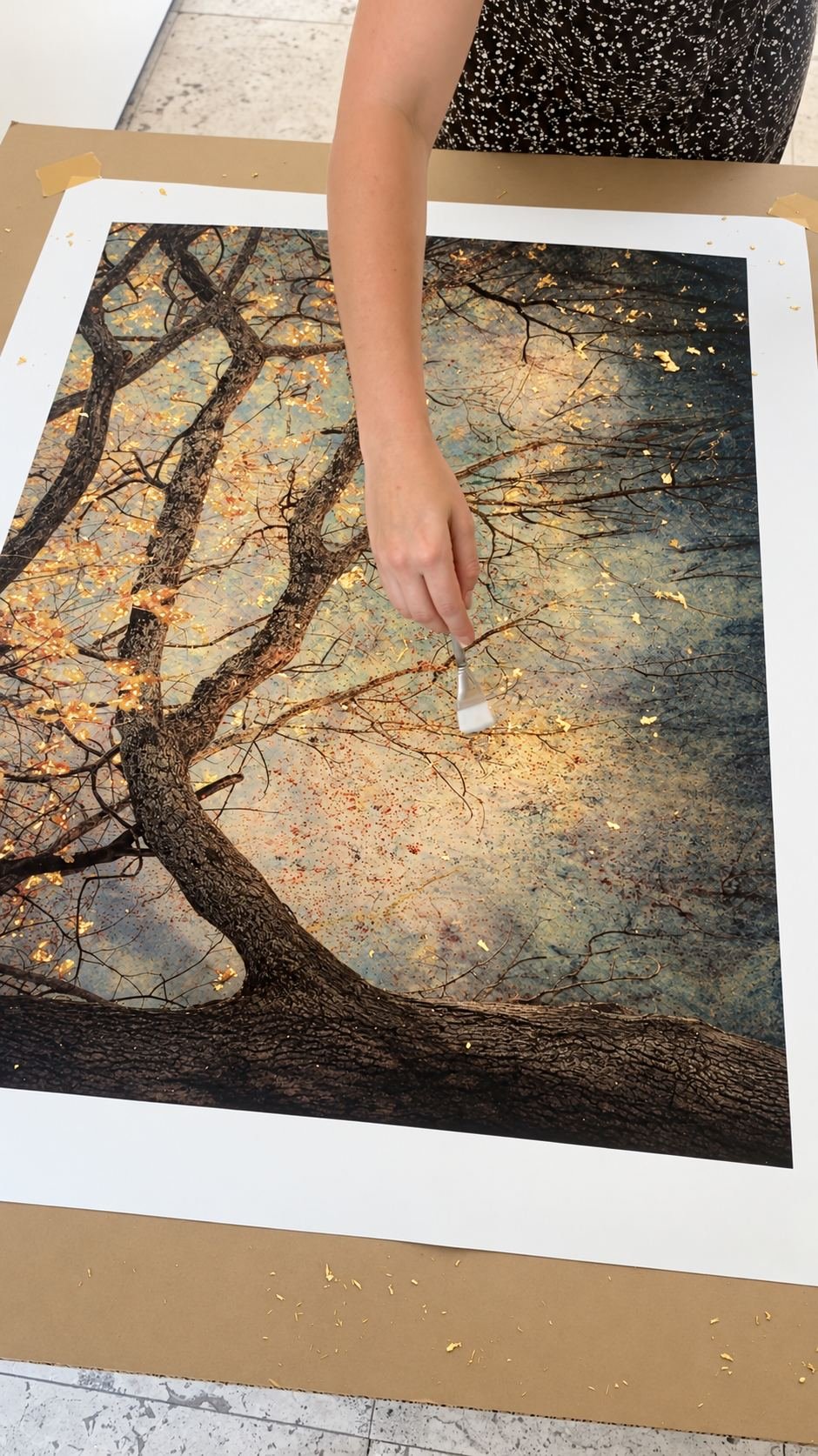
I put a great deal on YouTube, but it is sporadic by nature: a little of this, a touch of that. You can spend years opening doors and hoping for the best, and never quite arrive anywhere. The courses are built step by step, with a direction, and they teach techniques you will not find on the internet.
And a technique will never make the art. It only helps an artist say what they want to say. The evidence that it works is on the gallery walls, where people buy the work and turn up to the exhibitions. Samantha Lee Osner came in completely cold. She picked up a camera one day because she was bored in one of my classes, and today she is an exhibiting artist in her own right.
Take one coal out of the fire and it soon goes out. That is what the Academy is there to prevent. Between the Open Mic sessions, the creative challenges, the Inspire community and your own class group, there are always people around you who are making work, and that keeps you going further than you would alone.
We are also opening a gallery for the Art Photography Academy, where students can show their work under its name. That is something YouTube will never offer you, a community around you and a place to exhibit.
Most of the people who come to me are finally doing something for themselves. The majority do not want to hang work in a gallery, and they do not need to sell it. What they want is to get up in the morning and be creative, because it is good for them, to see what their colleagues are making, and to be inspired and to inspire.
Even if you walk out of a session with nothing more than the peace of mind that creating brings, you have done well. A few want to take their work further and show it at a higher level. I am happy to mentor both.
Most people start somewhere in the middle. The step numbers are a map, not a rule, and Martin will tell you plainly where to begin if you ask him.
The fundamentals, for someone starting from nothing. Pay what you can, from a dollar, because the price should never be the reason somebody does not begin.
For people who know some photography but not enough, and keep hitting the same ceiling.
Where photography stops being a record and starts being a picture with an opinion in it. The step most people are actually looking for.
Building a body of work rather than a folder of good single frames.
A small group, taught live, for people ready to work at exhibition standard.
The deeper technical and creative work, once the voice is there.
The long form lessons, for artists who are exhibiting or close to it.
Dates, places and prices change, so they live on artphoto.academy where they are kept current.
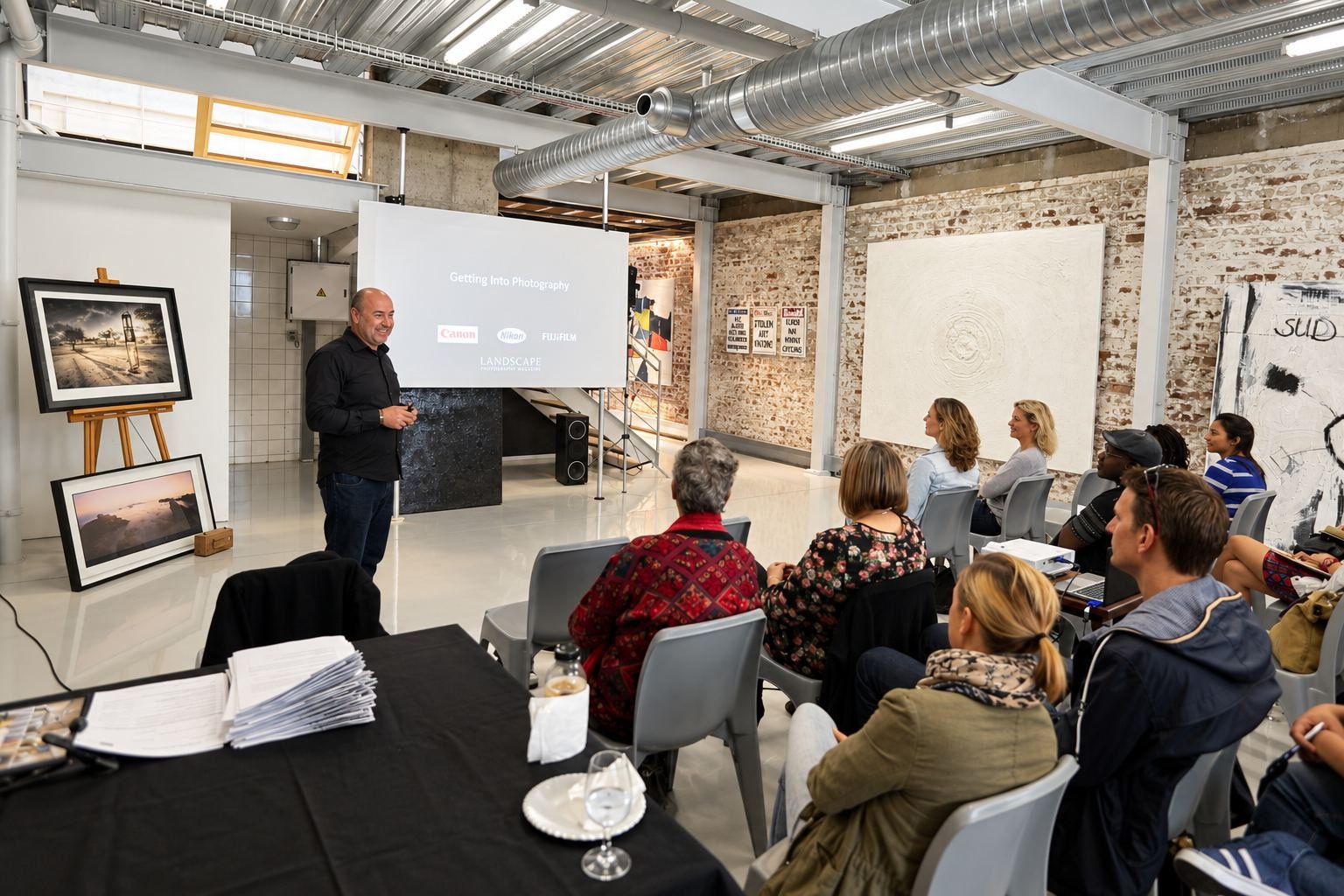
Taught by Martin, in real time, with work reviewed in the room. The closest thing to standing next to him.
Physical workshops around Photo Alchemy and painting, in South Africa and France, where the camera and the hands work together. Time with Martin and Samantha Lee Osner one on one, for training and for mentorship.
An hour at a time, on whatever is actually in the way. Booked directly.
Taught by Samantha Lee Osner, for artists who want the software to stop being the obstacle.
“I initially joined Martin’s live Zoom class, Getting Started in Art Photography, and found it fantastic. However, due to my busy schedule, I couldn’t commit to regular live classes, so I decided to continue with the Going Further in Art Photography course at the Art Photography Academy. I was pleasantly surprised by how concise and constructive the course was. Martin’s teaching was excellent, and the ability to progress at my own pace made all the difference.”
Alexa Grace White, Washington DC
“This was an amazing immersion into photography. I have recently finished my second course with the School and signed up for my third, so needless to say, I’m impressed. He loves sharing his knowledge, which makes him a great mentor and teacher from whom to learn the art of photography.”
Paul Strappini
Their work hangs and sells at Osner Gallery in Hout Bay, and in the gallery shop online.

Paintings, mixed media and photography. She picked up a camera because she was bored in one of Martin's classes.
See the work
Colour, shadow and geometry.
See the work
Layered mixed media portraits.
See the work
Street art and the painted city.
See the work
African wildlife, softened into painterly light.
See the workAnswered by Martin. Tap a question to open it.
Start with Essentials for Photography. Before you can make art with a camera, you need to understand how the photographic system works, and that is what this course gives you. You pay what you can, from as little as a dollar.
If you want to learn the craft of photography properly, Advanced Photography is your best option. If you are already capable with your camera, start with Getting Started in Art Photography, which moves your work into a formal creative space. The two can also be done side by side.
Not at all. Most of my students are older than fifty. And you don't need to arrive with any experience: my own daughter, Samantha Lee Osner, turned up in my classroom during her gap year between school and university, and she never left. Today she loves every moment of the creative work she does.
No. You need equipment that works, and that means a DSLR or a mirrorless camera, because both give you complete control, and in Getting Started in Art Photography you will be working in full manual mode. Some people have managed it on a phone, but by their own admission they found it restricting, so I do suggest a better camera.
No. That is never the motivation, only a bonus at the end if it comes. What you do need is a spirit of exploration, wanting to take your photography further and to use it as part of your artistic process. Aim to find a creative space in your own life, away from the noise, and to enjoy the act of creating, because it is good for you.
It isn't really a choice between the two. The online courses give you a structured approach at your own pace, and they put you inside a creative community. The creative breakaways come later, once you have finished Getting Started in Art Photography and want to go further. I wouldn't come to a breakaway completely new to art photography, it can feel overwhelming.
If you give it the time, an online course takes around six to eight weeks. Most people take between three and six months, because life happens, and that is the beauty of working at your own pace. Plan on at least half a day a week, and ideally a full day.
Most of the online courses are between about $400 and $700, and Essentials is pay what you can, from a dollar. The creative breakaways are around $1,200. Current prices are always on the Academy sites.
You won't be left behind. On a breakaway you have personal mentorship, and online you move at your own pace. You also have Samantha Lee Osner and me in the community, along with twenty creative advisors, students who have walked the whole programme with me up to Masterclass level, most of whom have exhibited their work. They are active in the community, so if you ask a question, you will get help.
Over a hundred films on YouTube and the Sunday Atelier conversations, free, and the best way to see how Martin thinks before you spend anything.
Watch the filmsTell him where you are and what keeps stopping you, and he will tell you which one to take. There is no wrong answer and no sales pitch.
Contact the studio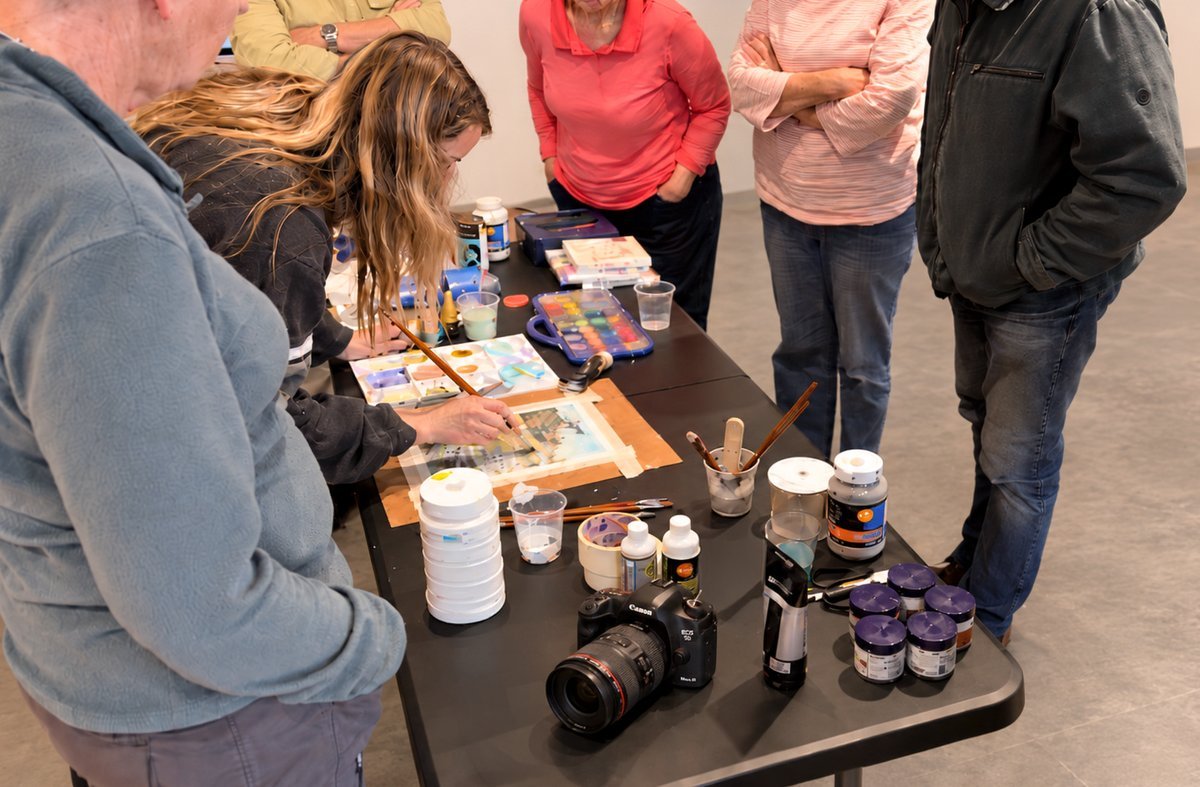
Four hours at Osner Gallery in Hout Bay with Martin Osner and Samantha Lee Osner: a talk on Photo Alchemy, a walk through the gallery with the artists, a full demonstration in the studio, then your own artwork made at the studio table, and a wine tasting to finish. Thursday afternoons, no more than five guests, R4,450 each.